
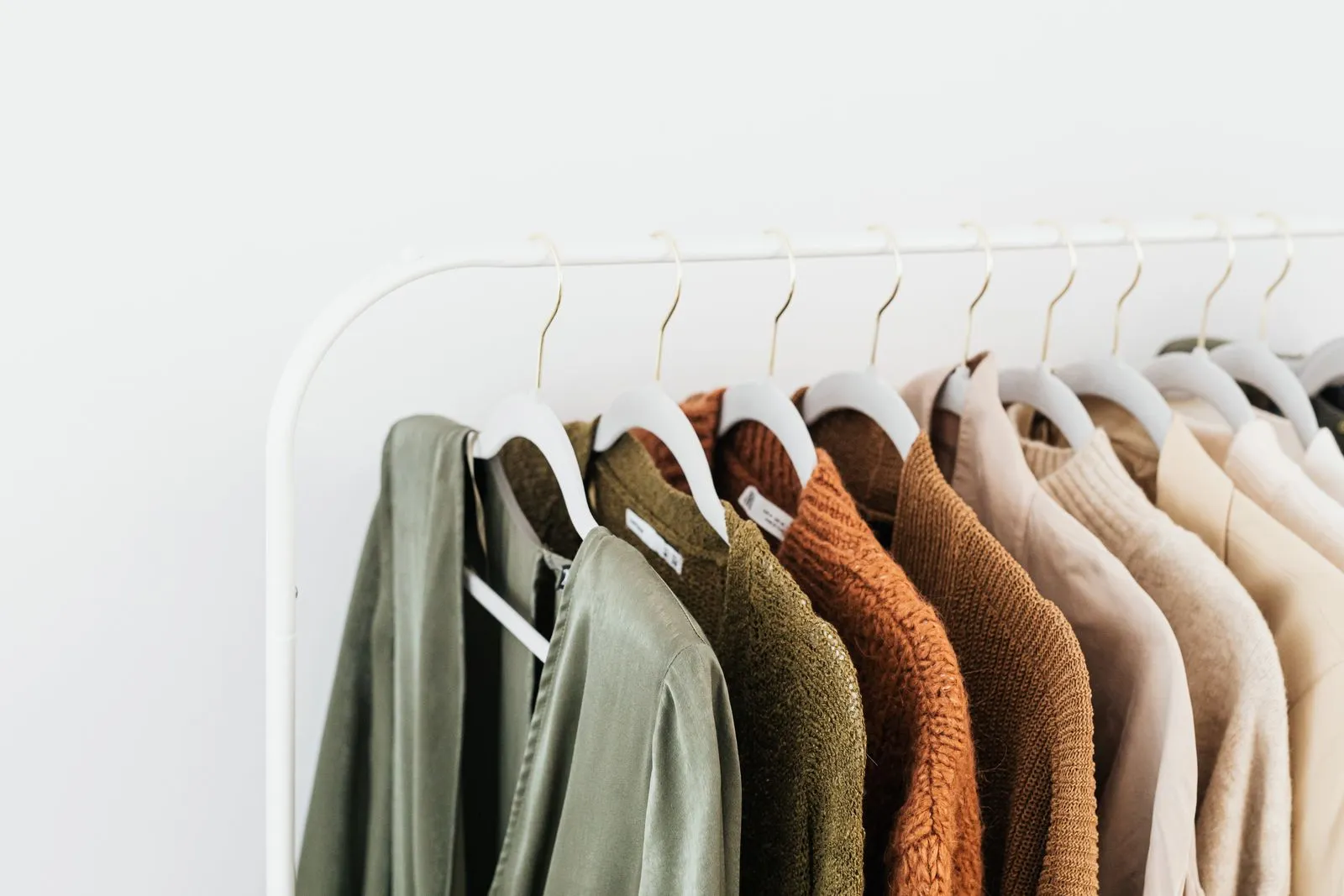
A versatile wardrobe makes getting dressed simpler. Instead of buying clothes for one occasion at a time, choose pieces that work across your routine and pair easily with what you already own. Start with your actual needs, such as work, weekends, and special events, then build around comfortable, well-fitting basics. A clear plan helps you avoid duplicate purchases and create more outfits from fewer items. Use these steps to make your wardrobe practical, personal, and easier to maintain.
Start With Your Routine
List the situations you dress for in a typical week: work, commuting, casual plans, exercise, or formal events. Note what each setting requires and how often you need an outfit for it. This keeps your choices grounded in your daily life rather than an idealized version of it. If you rarely attend formal events, for example, a reliable suit may be more useful than several dress shirts.
Before shopping, review the clothes you own. Set aside pieces that fit well, feel comfortable, and suit your current routine. Identify items that need repair, no longer fit, or rarely get worn. Look for patterns in what you reach for most, including preferred colors, fabrics, and cuts. Those observations will help you choose additions that feel natural instead of forcing a new style.
Choose Useful Basics
Build around simple, versatile pieces: well-fitting jeans or chinos, neutral trousers, plain shirts, a few quality T-shirts, and a layer such as a sweater or overshirt. Your needs may also call for a blazer, a versatile jacket, or a suit. Choose items that work for your climate and dress code. Prioritize fit and comfort; even a classic item is not useful if you avoid wearing it.
A restrained color palette makes it easier to combine pieces. Navy, gray, white, black, olive, and beige can serve as useful starting points, but choose shades that suit your preferences and existing clothes. Add a few colors or patterns for variety once the core pieces coordinate. Check care labels and consider how much maintenance you will realistically manage before buying.
Make Outfits Coordinate
Think in complete outfits rather than isolated purchases. A shirt should work with more than one pair of pants, and a jacket should layer comfortably over the tops you already wear. Before buying, picture at least three combinations using the new item and clothes in your closet. If you cannot name them, the piece may be difficult to use or may require additional purchases.
Use contrast to make combinations look intentional. Pair lighter tops with darker trousers, or balance a patterned shirt with solid layers. Keep shoes in mind, too: clean, simple options that suit your everyday settings can connect several outfits. Try combinations at home and take note of what works. A short list or phone photo of reliable outfits can speed up mornings and reveal what your wardrobe still lacks.
Shop With a Clear Plan
Write down specific gaps before you shop, such as a pair of work trousers or a layer for cooler weather. Set a budget that reflects your priorities, and buy in order of usefulness. Try items on with the shoes or layers you expect to wear with them. Check how they fit when you sit, walk, and reach, not just when you stand still in front of a mirror.
Read the return policy and care instructions, and avoid buying several versions of an item before confirming that the fit works. Keep a simple record of what you own and what you still need. After each purchase, see whether it creates more outfit options or simply duplicates something. Princeton Image Co. can help men in Princeton assess fit, style, and wardrobe gaps when they want a more guided approach.
A versatile wardrobe comes from thoughtful choices, not a large clothing collection. Start with your routine, choose comfortable basics, and make sure each new piece works with several outfits. Review your closet before shopping and keep a clear list of priorities. If you would like help refining your wardrobe, consider booking a consultation with a men's image consultant.